

The Gift of Time
I believe paintings have a mind of their own, and sometimes we just need a little time to bring them to their better selves.
Case in point, here is a sunset painting I did about a year ago. I was inspired by spectacular cloud formations and what the light was doing as it sank down toward the horizon.
I believe paintings have a mind of their own, and sometimes we just need a little time to bring them to their better selves.
Case in point, here is a sunset painting I did about a year ago. I was inspired by spectacular cloud formations and what the light was doing as it sank down toward the horizon.
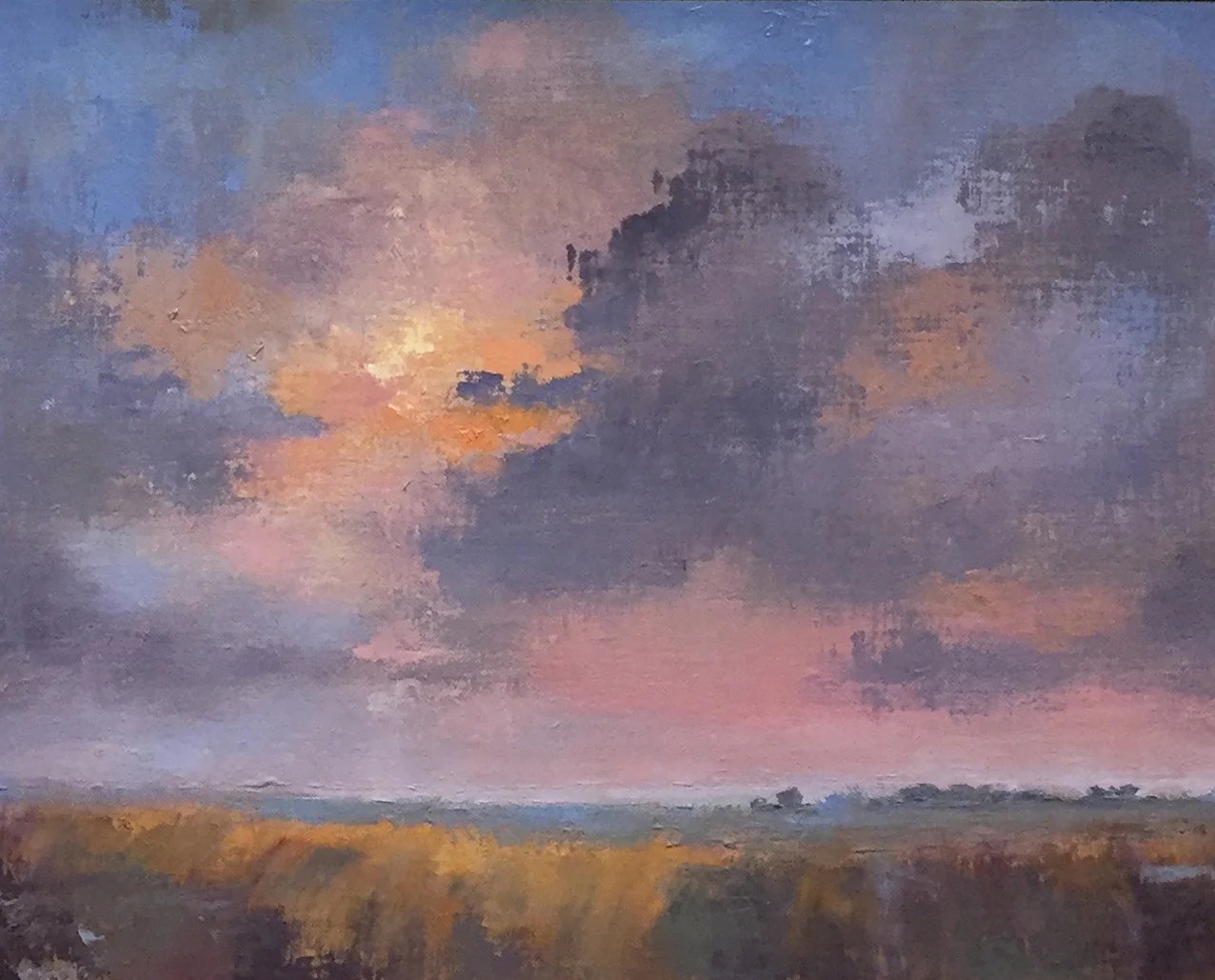
Last Light I - © Beth Cole
At the time, I wasn’t entirely satisfied with it, but it was as far as I could take it without working it to death.
Fast forward, one year later, and here is the same painting with fresh eyes and a new softer light and lots more painting time under my belt. I think it’s a step forward. What do you think?
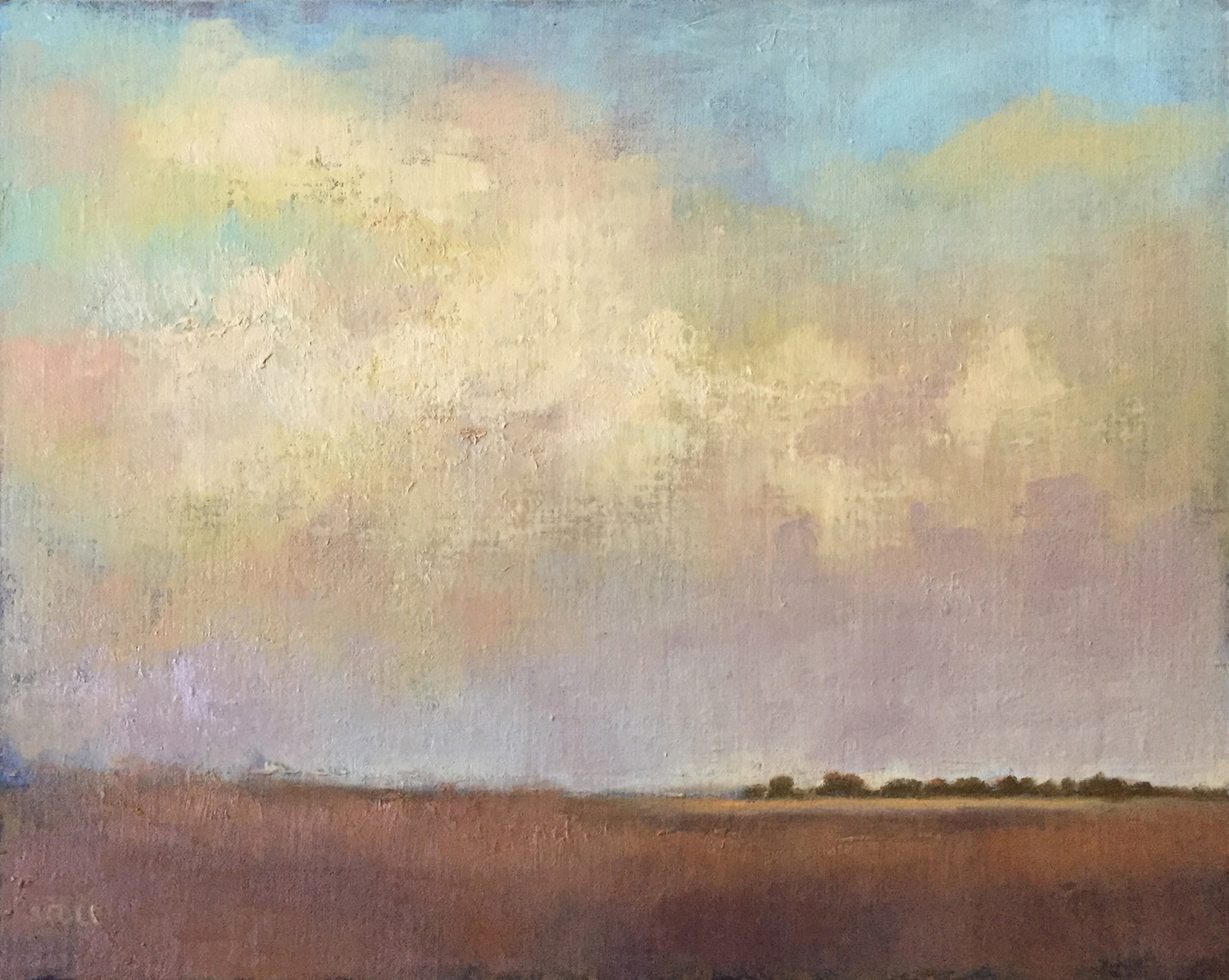
Last Light II - Oil on Canvas Panel - 16 x 20 - ©Beth Cole
Time. Such a beautiful gift.
Enjoy the day.
--Beth
Soli Deo Gloria

What I Have Learned About Teaching Online
What I Have Learned About Teaching Online
by Beth Cole
Last spring I was asked to teach a painting class online. I had been thinking of teaching, but I hadn’t come up with a plan or a deadline. Being asked to teach gave me both! And I must say, it is amazing what you can accomplish when you have a plan and a deadline.
I wanted to write a little about the practical steps I took in order to get stuff done. I am not an expert! I am just sharing what I have learned so far.

Quiet | Oil on Canvas | © Beth Cole
What I Have Learned About Teaching Online
by Beth Cole
Last spring I was asked to teach a painting class online. I had been thinking of teaching, but I hadn’t come up with a plan or a deadline. Being asked to teach gave me both! And I must say, it is amazing what you can accomplish when you have a plan and a deadline.
I wanted to write a little about the practical steps I took in order to get stuff done. I am not an expert! I am just sharing what I have learned so far.
First, the gear. I knew I would have to invest in a small video camera as I didn’t want to record the demos with my iPhone. I could have researched this purchase ad nauseum, but instead I asked a few friends what type of camera they used and I decided on a Sony HDR-CX240 that I bought at Target.
It has done a great job for me. The menu buttons are a little weird, it is difficult to use from that aspect, but other than that, I have liked it just fine. I also bought extra memory cards and a storage case to keep them organized. I found I needed several to get me through the project.
I also knew I would need to be able to shoot overhead so I needed a boom or some type of system. Again, I could have spent lots of time on getting just the perfect thing, but my daughter helped me find a suspension arm that hooks to the end of my work table and it worked just great. In order to get the angle I wanted, I attached my camera to a guerilla tripod and wrapped the legs around the suspension arm.
I also thought about a microphone for the audio, I wanted to be sure my voice could be heard as I was painting. I didn’t think the camera would pick up my voice very well so on the first video I didn’t talk, planning to do voice over with my computer. That worked fine, but meanwhile, I experimented with just talking as I was painting and found that the camera picked up audio great because it was very near my mouth! So I didn’t buy an additional microphone.
Next were the software decisions, i.e. what to use to edit the video. In my former life as a web designer, I made tutorial videos for my clients using Camtasia. I loved the software, but I didn’t want to make that kind of investment for this project. Plus, I use a Mac now and I didn’t have the software on my Mac, but I did have iMovie. I am not as familiar with it, but I thought I would give it a try. It worked great! And you know what, you can Google practically any step you need help with, and there will be an answer for you online, usually a video tutorial. I did that a lot, and it really helped me to push through and not get stuck.
I wanted to add some music in the beginning and end, so I bought an audio clip at Pond5.
I also knew I wanted to make a nice looking promotional trailer for the course. To save time, I subscribed to Magisto and used some of the ready-made tools to help me put together this type of video. There are probably lots of other ways to do this, but again, I was on deadline and I just picked something! It worked great!
Now to the most important thing – what to demo and teach. I knew I would be sticking with landscapes because that is what I normally paint. So I came up with a theme that described what I paint – Earth, Water, Sky – and that became the title of the course and my guide for what types of demos to share. I combed through my photos to come up with class projects and I ended up instead going out with my camera so I would have fresh and inspiring images to paint. I chose three photos and one for a bonus project.
I didn’t use any special lighting for the project, although, again, I could have researched and spent lots of time and money on this alone. Instead, I chose to work with natural daylight. I had access to large north facing doors and windows so I set up my worktable there and only filmed during daytime hours.
Looking back, I am so grateful for the push I got from being asked to teach. It really gave me momentum and helped me break through all the barriers I had in my mind that had prevented me from starting. It was a wonderful experience, and I plan to do more of it. Now all I need is another plan and a deadline!
Have you had experience teaching online? I would love to hear any suggestions you might have…..let’s talk!
Thanks for reading.
--Beth Cole
Soli Deo Gloria
PS - You can now receive blog posts right in your inbox! Come along with me, you are always welcome.

Getting Ready for Art Fairs - Part III
This is the third post in a series about getting ready for art fairs. Here are links to the first and second posts.
Following Up With Collectors
By Beth Cole
So you’ve done all the hard work of painting, hauling and setting up your work and guess what? Someone buys a painting! Boom! Congratulations! Now what?

Sundown at Cramer's Canyon | © Beth Cole | 8 x 10 | Oil on Canvas
This is the third post in a series about getting ready for art fairs. Here are links to the first and second posts.
Following Up With Collectors
By Beth Cole
So you’ve done all the hard work of painting, hauling and setting up your work and guess what? Someone buys a painting! Boom! Congratulations! Now what?
Well of course you transact the sale, but don’t make the same mistake I did at my first couple of shows and forget to get their contact info. Dumb!
When you use a credit card reader like Square, there’s not a way really to capture the contact information, so you will want to have a separate signup sheet for folks to engage further with you. I would love to hear your ideas about this, but I usually invite them to join my newsletter list so I can do an email followup. But I always want to go a step further and at least send a thank you note. So I have a place for customers to give me their mailing address and phone number so I can follow up the old fashioned way – through the mail. I think people appreciate this and are happy to receive something other than junk in the mailbox. So after the show, I always send a hand written note and then keep touch once a month if they’ve joined my newsletter list.
I started writing my newsletter a few years ago, and I try to consistently send an issue the middle of every month. My newsletter list isn’t big by any means, but it has steadily grown little by little over the years, and I’m grateful I have this means to stay connected to people and vice versa. I use MailChimp for my newsletter, it’s free and I love it. There are always other options of course, check around and see what works best for you.
Other ways to stay connected a to invite collectors to follow you on the socials as well as inviting them to openings in their area. I sometimes send postcards with a personal note for this purpose.
One other thought about mindset. I took a workshop last summer from an artist who has a wonderful mindset about her customers – they are not just customers to her, they are collectors. I love that thinking. I have been trying to cultivate this mindset as well. I think it has a beautiful feel to it.
What else. Hmmm. I can’t think of anything but I’m sure I’m missing something. Feel free to share your thoughts, I would love to hear what works for you.
Thanks for reading.
--Beth
Soli Deo Gloria
PS - You can now receive blog posts right in your inbox! Come along with me, you are always welcome.

You're Invited -- May 5th Art Opening at Minden Opera House
There's an art show opening coming soon and you're invited!
I will be showing my most recent paintings of the land in the months of May and June, 2018 at the Minden Opera House in Minden, Nebraska.
Minden Opera House Art Show Opening
Saturday, May 5th, 2018
4:00 - 6:00 pm

Art Show Opening - Saturday May 5th, 2018 - Minden Opera House - 4:00-6:00 pm
There's an art show coming soon and you're invited!
I will be showing my most recent paintings of the land in the months of May and June, 2018 at the Minden Opera House in Minden, Nebraska.
Minden Opera House Art Show Opening
Saturday, May 5th, 2018
6:00 - 8:00 pm
The show opening will be Saturday, May 5th from 6:00 - 8:00 pm at the opera house. I will say a few words about the art during that time. If you are local, I would love to see you there!
I will also be doing a landscape painting workshop at the Minden Opera House on June 9th from 9-12 am.

Painting Atmosphere Workshop at the Minden Opera House
Here is a bit more information, including a link to the supply list.
Please let me know if you have any questions. Thanks for your interest in my art and hope to see you soon!
--Beth
Soli Deo Gloria

Getting Ready for Art Fairs - Part II
This is the second in a series of posts about getting ready for summer art shows. You can read the first post here.
Art Fair Checklist
By Beth Cole
The first time I went to an art show I was amazed at how much time it took me to get ready. Not only do you need to prepare your paintings well in advance, there are many other little details to consider before you can say “let’s go.”

My booth from a few years ago - 2016 ©Beth Cole - my art has CHANGED since then.
This is the second in a series of posts about getting ready for summer art shows. You can read the first post here.
Art Fair Checklist
By Beth Cole
The first time I went to an art show I was amazed at how much time it took me to get ready. Not only do you need to prepare your paintings well in advance, there are many other little details to consider before you can say “let’s go.”
One big consideration is how will you display the work. There are many ready made setups you can buy, but we like to go the low-cost route whenever possible. We found my wire mesh booth setup at a garage sale and it has worked very well for many years. My husband has nice looking gray material walls, but he was able to construct them himself and it looks just as nice as the purchased ones. Some artists forego walls and use tables, easels and whatever to create interest and variety in their booths and this is totally fine.
Another thing to consider is the flow of people through your booth. I always take a table to the show, it is a smaller style that you can raise to bar level height. When I first started I put the table in the front, kind of like a sales counter and that works well. I have also experimented with moving the table to the back of the booth so people are not blocked from entering. I think I like this configuration a little better.
Speaking of people entering, I have found if I stay completely out of the booth and set up my chair across from the booth or a little ways apart, people are more likely to come in and browse. If someone stays for quite awhile, then I will greet them and tell them about the piece they are viewing. Otherwise, I really try to give people space. If someone has been at my booth once, and then comes back later, I know they are interested in something and may take something home. People know what they want and like so I always try to respect that and give them room. You may take a different approach, if so, I’d love to hear about it in the comments.
Your art show is the perfect opportunity to invite people to sign up for your mailing or newsletter list. I always take a clipboard with a place for people to share their name and email address. If you have an iPad and MailChimp, you could also use that to take signups. I just got my iPad so I haven’t tried that, but I think I will this summer.
Taking payments is a breeze with Square (I am not being paid to say this, ha!). Gary and I both have Square accounts so we just switch in and out of the app to take credit cards payments throughout the day. It works beautifully and I couldn’t recommend it more. Be sure to take the little stickers that show you accept VISA, MC, etc. and display them on your table. Of course you can also take cash or check, and if people pay cash they might want a receipt, so you can pick up a receipt book at one of the box stores so you are all set. I have a bank bag I use to keep checks, cash, etc. so it’s in one spot throughout the show.
An important thing to remember is your painting description and price tags. The tag should have the painting name, medium, price. I use Artwork Archive to keep my painting inventory organized and it has a tool to print gallery wall descriptions so that is what I use to take to art shows. The description is optional but I think people enjoy reading the story of your painting.
Here is a checklist you can use to help you remember your stuff and have a great show! I have created a PDF Art Show Checklist you can access here.
To remember……
- Paintings
- Painting description and price tags
- Notecards, miscellaneous items for sale
- Business cards
- Square reader for taking credit cards
- Credit card signage to display
- Mailing list signup sheet or tablet
- Marketing material for classes or other promotions
- Booth walls
- Hangers for the art
- Tent for the booth
- Display table
- Tablecloth
- Easels for smaller paintings or floor easel to display a bigger piece
- Laundry basket or box to hide away things you are not using during the show
- A couple of writing pens
- Your name signage for the booth wall
- Lawn chair
- Water and snacks
- A happy face
That’s about all I can think of for now. I’m probably missing something, so if you think of anything, feel free to leave a comment. I would love to hear your experience and wisdom. Thanks for reading! Oh, and here's that checklist again.
--Beth
Soli Deo Gloria
PS - You can now receive blog posts right in your inbox! Come along with me, you are always welcome.

Getting Ready for Art Fairs - Part I
Art fairs can be so much fun, but honestly – they are a lot of work!
My husband and I have been doing art fairs for a few years now, so I thought it would be fun to share a few of the things I have learned through the experience. I would love to hear about your experience as well, so feel free to comment.
This first post will be about the number and type of paintings to take, the second part will include an art fair checklist to help you remember everything, and the third part will be about relationships and following up after the show.
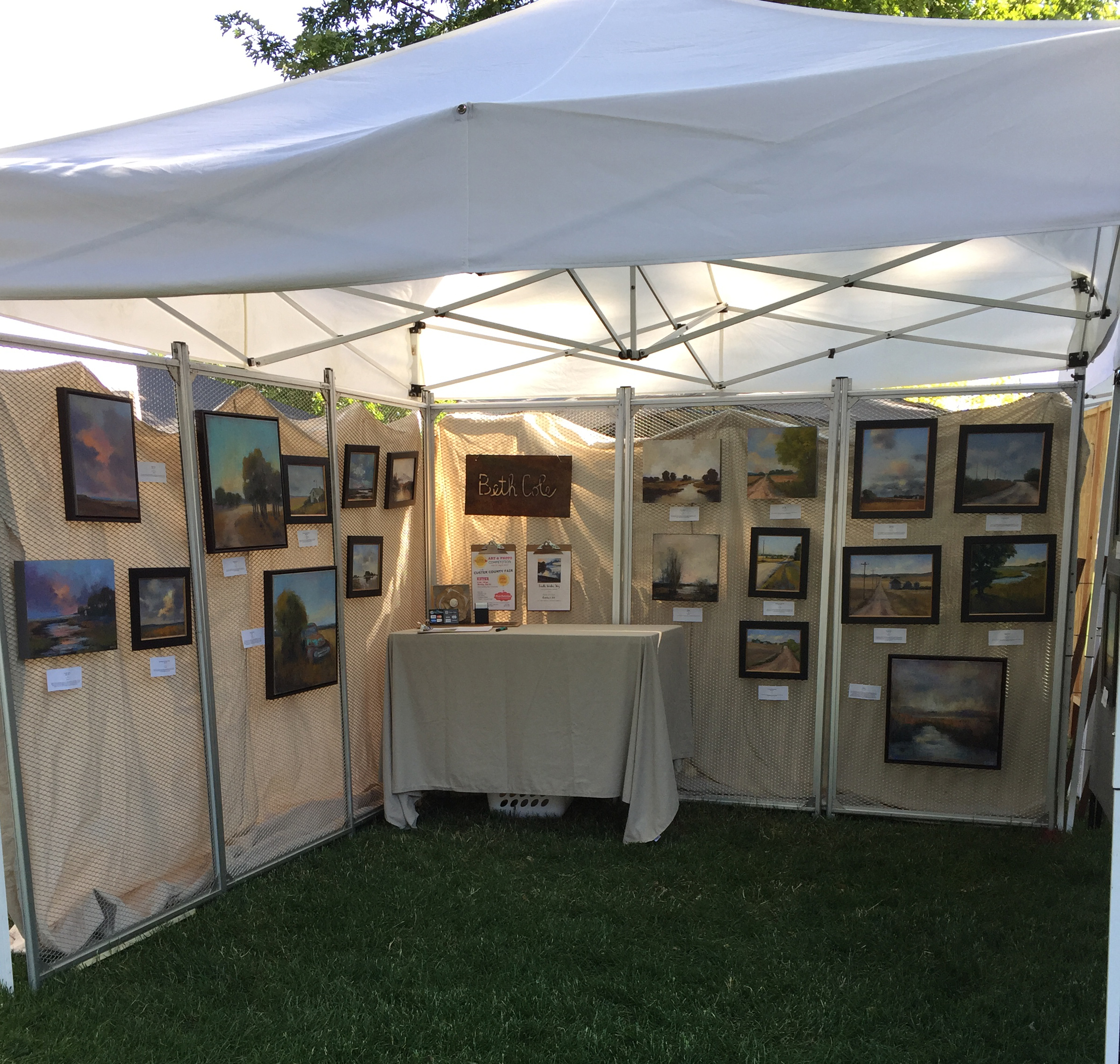
Part of my booth from Kearney Art in the Park ©Beth Cole
Art fairs can be so much fun, but honestly – they are a lot of work!
My husband and I have been doing art fairs for a few years now, so I thought it would be fun to share a few of the things I have learned through the experience. I would love to hear about your experience as well, so feel free to comment.
This first post will be about the number and type of paintings to take, the second part will include an art fair checklist to help you remember everything, and the third part will be about relationships and following up after the show.
How Many Paintings to Take to an Art Fair
by Beth Cole
There are so many advantages to showing your work directly to art lovers and attendees. But how do you decide what to take and how many?
For me, the “what paintings to take” question starts way, way, way ahead of when the show will be held. At the beginning of every year, I try to take a look at what paintings I have as left overs from the previous year. I never want to take a painting to a show that I have already shown there once. To me, that is not a fresh approach so I want to take all new work to every art fair. I take my time thinking about each one and whether it should go to painting heaven, or if it can be made-over. This gives me an idea of how much work I will have toward the show.
Next, I start to think about a common theme in my painting, something I could pursue with the new pieces that might tie the work together. I’m really not very good at this, some people are able to create “collections” of work that really sing and I am still working on this skill. But nonetheless, I still think about it and try to stay within the direction I chose in the beginning whether it be water or prairie or vintage buildings, whatever. Then, I start to set my painting goals for new pieces.
As far as how many to take, the answer is “it depends.” And it does depend on the size, price point, etc. I usually average between 20-25 paintings of various sizes at each show. I try to take at least one piece that is quite large, like 36 x 36 or 30 x 40. This will be the visual anchor for the display. Then I would probably take at least three or four 24 x 30 or 18 x 24 pieces, and fill in the rest of the booth with 11 x 14 and 8 x 10 pieces. Sometimes I take small 6 x 6 cradled wood panels to set around and these are a nice accent. I have also taken small handmade things like essential oil perfume lockets, handmade journals and greeting cards. These always sell well but my problem is finding time to make everything ahead of time!
Next up, I’ll write about the things to remember when you’re packing up. We’ve forgotten important things many a time, one time we forgot one of our tents, ugh! So, now we both use checklists and hopefully that does the trick.
Thanks for reading!
--Beth
Soli Deo Gloria
PS - You can now receive blog posts right in your inbox! Come along with me, you are always welcome.

Indeed
"...Why do you seek the living among the dead? He is not here, but has risen."
--Luke 24:5-6
He has risen, indeed!
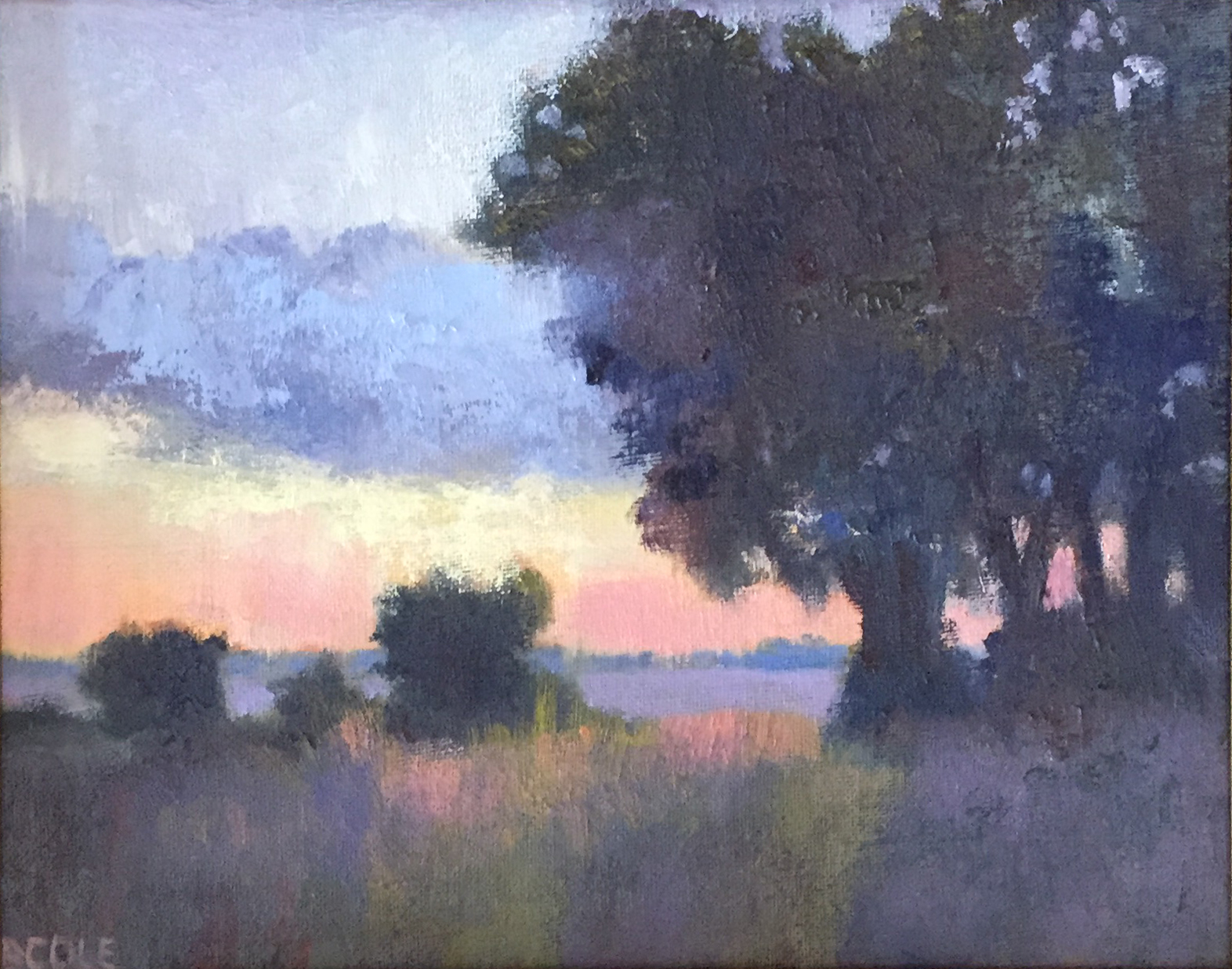
Dawn | ©Beth Cole | SOLD
"...Why do you seek the living among the dead? He is not here, but has risen."
--Luke 24:5-6
He has risen, indeed!
Enjoy this beautiful story and song by Andrew Peterson, His Heart Beats.
Wishing you and your family abundant Easter joy.
--Beth
Soli Deo Gloria

Painting Outside - Part IV
This is the fourth in a series of posts about painting outside. Here are links to the first, second, and third posts.
More great tips
by Beth Cole
Many of my newsletter readers are artists, so this last issue I asked them to share anything they had learned about painting outside. I got some great feedback so I wanted to share.

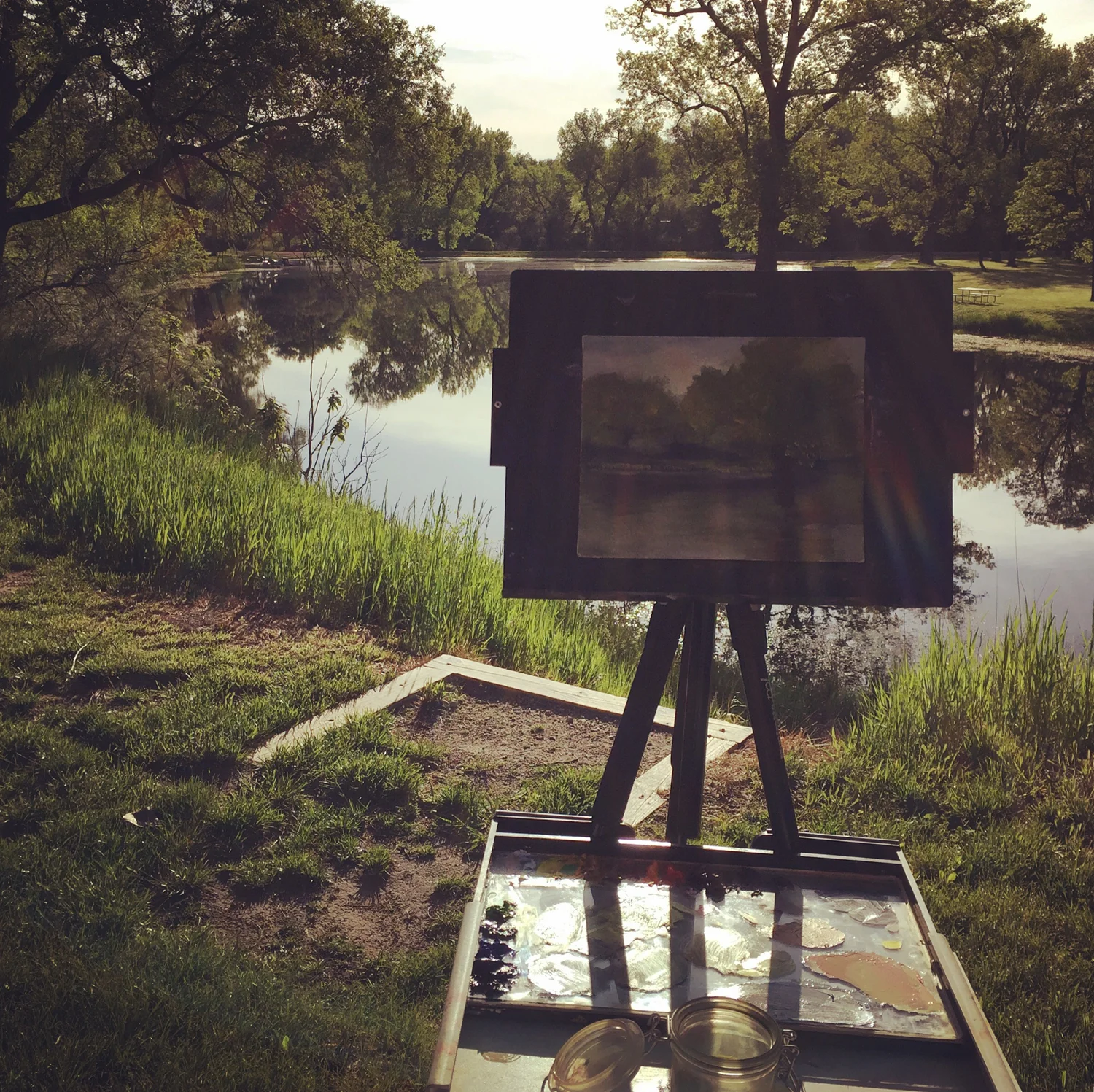
On this outing I set up very near where we live, I love staying close. ©Beth Cole
This is the fourth in a series of posts about painting outside. Here are links to the first, second, and third posts.
More great tips
by Beth Cole
Many of my newsletter readers are artists, so this last issue I asked them to share anything they had learned about painting outside. I got some great feedback so I wanted to share.
Artist Susan Kenney said “I paint in the passenger seat of my car. I use an old wooden wine box as my pallet holder on the bottom resting in my lap and the top of the box keeps the small canvas/panel in place. This box rests on the dash. I am like you on the shy side. So the car keeps almost all people away. I like to find a good parking lot, usually near stores so that if I need to I can go to a clean public restroom. We all know how important that is!"
From artist Christina Aiton - “You asked for what we have learned that has helped the most when we paint plein air - living in Florida we do most of our plein air in the fall, winter, and early spring; and I have learned that returning to the same location several times can inspire you even more than it might have the first time. You see it more clearly and you begin to understand why you were drawn to it in the first place - and your paintings show that. “ You can see Christina’s work here.
My good friend and indoor painting artist Jeanne Cutler joked “I have learned to keep a sturdy paint of glass between me and the scene I’m painting; air conditioning in summer, heat in winter!” She also added some tips from artist Stefan Baumann, i.e. use the same size canvas all the time and have a box to carry multiple wet canvases of your chosen size. He also suggests using a gator board covered with oil primed Belgian linen. He says it's a light weight and a beautiful archival surface.
Artist Michelle Murdock shared some great tips. She says "Once the sketch and composition is figured out, be sure to block in those shadows first. Because they are going to change by the time I am done. Also that makes me block in my darkest darks first and the shadows and then I mark my lightest light. Then block in the rest. Figuring out the value of shadows is still difficult. Looking through 2 tiny holes to isolate the value of 1 thing compared to the other is supposed to help. I think I need a very small hole because I still get confused by all the values outside. Photos are very deceptive on colors and actual values.
I am also working on staying in the area within my view finder that I originally picked out. I just learned foregrounds are meant to allow the viewer to step into the painting. Doesn’t that sound nice?
Regarding where to paint: I take walks with my dog around ponds where we live and am always seeing areas to paint. I think I need to paint the same areas in their different lights rather than paint it once. I am looking forward to wild flowers blooming again at our local lake. Meadows are a challenge. So are lotus flowers and lily ponds.
Regarding equipment: I can now fit everything in a large backpack and my tripod carrier and small canvas carrier. I recently bought the Day tripper easel set up from Joshua Been. So I think it will be easier to return to all those spots along trails that I love."
Thank you friends and painting comrades, I love your suggestions and appreciate you taking the time to share.
I'm so ready to get outside and paint. In Nebraska as I am writing this, it is the day before Easter, and the temperature is in the mid thirties with 4" of snow forecasted for tonight and tomorrow. I am thinking positive though, the sun will come out, it will be beautiful and I'll be ready to paint. Hope you are, too. Thanks for following along.
--Beth
Soli Deo Gloria
PS - You can now receive blog posts right in your inbox! Come along with me, you are always welcome.
Painting Outside - Part III
This is the third in a series of posts about painting outside. Here are links to the first and second posts.
Staying Motivated
by Beth Cole
If I’m going to stick with something, I need to have a good reason. You, too? After all, why should we drag around all this painting gear, circle the countryside looking for painting spots, battle the wind and the sun and the bugs? I have to constantly remind myself of the benefits, and there are many. Here are some that I see, I would love to hear yours, too.

Painting at Victoria Springs ©Beth Cole
This is the third in a series of posts about painting outside. Here are links to the first and second posts.
Staying Motivated
by Beth Cole
If I’m going to stick with something, I need to have a good reason. You, too? After all, why should we drag around all this painting gear, circle the countryside looking for painting spots, battle the wind and the sun and the bugs? I have to constantly remind myself of the benefits, and there are many. Here are some that I see, I would love to hear yours, too.
Seeing color. When I first started painting, dirt looked like dirt and grass looked like grass. I wasn’t able to see warm and cool color variations with the earth and the foliage. The more I painted, the more I began to see, and being outside is one of the best ways to really see the colors of nature.
Simplifying your composition. One rule of thumb for composing a scene is to keep it to four or five shapes of various sizes. The landscape is vast and complicated, so learning how to eliminate and simplify in choosing the elements to include in your painting is a definite bonus.
Mixing color. This relates to seeing color. It’s one thing to be able to mix green, but there are hundreds of variations of green, right? So seeing something up close helps you make decisions about temperature, chroma and value. So much to think about with color!
Minimizing brushstrokes. We usually paint on smaller canvases when we’re outside, so it is good practice for being intentional with each brushstroke and making each one count.
Painting faster. I am a slow painter so practicing outside with shifting light and shadows has helped me learn to paint a wee bit faster. Not much. But a tinsch.
Making decisions. Painting outside helps me compare values and make decisions about what to do next. All values are relative so starting with the lightest light or darkest dark helps me know how much lighter or darker the next shape should be. It’s all connected.
Gaining experience. Not all of my plein air pieces turn out, in fact, most of them don’t. But I gain valuable experience every time I lug those paints out into the field and after I’m done I am always glad I did. For me it’s worth the hassle because of the experience I have gained.
Improving. I will never “arrive” as a painter. There is always room for improvement and that’s one of the best motivators for me to get on out there and start painting.
These are some of the reasons I drag my paints around. What motivates you?
Thanks for reading!
--Beth
Soli Deo Gloria
PS - You can now receive blog posts right in your inbox! Come along with me, you are always welcome.

Painting Outside - Part II
This is the second in a series about painting outside, you can read the first post here.
Finding a Painting Location
by Beth Cole
Honestly, finding a place to paint has been one of my biggest struggles. I am a little shy and I feel self-conscious painting in a conspicuous place where it is not common to see people out painting, you know? The last thing I want to do is draw attention to myself. Maybe you can relate.

©Beth Cole
This is the second in a series about painting outside, you can read the first post here.
Finding a Painting Location
by Beth Cole
Honestly, finding a place to paint has been one of my biggest struggles. I am a little shy and I feel self-conscious painting in a conspicuous place where it is not common to see people out painting, you know? The last thing I want to do is draw attention to myself. Maybe you can relate.
Sometimes I load up my painting gear and just get in the car and drive until I see something that catches my eye. If there is a wide enough shoulder on the road, I will pull over and set up, but often times there is no place to park the car and I don’t want to trespass on someone’s property. In that case I will stop a take a photo instead. That way I can at least preserve the scene for later in the studio.
All this to say that there are some great places to paint and ones I would have never considered until I gave it a try. Here are some that have worked for me. I would love to hear your painting places, too -- please share!
The local cemetery. Might sound weird but this is a tranquil place with plenty of room where you won’t be disturbed. There is usually lots of shade and it is quiet. I don’t paint scenes within the cemetery, I look for the vistas on all four sides. It works!
State or national parks. Nebraska requires a park sticker but it gives entry to all of the parks in the state so I believe it is well worth it. I like to paint in state parks, especially during the week, because it is not crowded and it is always peaceful and beautiful. It has been a great place for me to practice.
My backyard. We live on the edge of our little community so I have a field and expansive views in my backyard. I have painted here many times and it is also a great place to practice.
Friend’s property. Some in our art club have beautiful property and views so we have gathered there to paint and it is good fun!
Other’s property. Sometimes there is a place I would like to paint but I definitely would be trespassing on someone’s land so I just gather my bravery and knock on the door. I have never been turned down!
The main thing is for us to just get out there, right? So....you are not alone my friend....onward we go.
Oh and don't forget, I would love to hear what are your favorite painting locations?
Thanks for reading, I am grateful for you.
--Beth
Soli Deo Gloria
PS - You can now receive blog posts right in your inbox! Come along with me, you are always welcome.

Painting Outside - Part I
Painting Plein Air
by Beth Cole
Since the weather is getting warmer I wanted to write about plein air painting, a fancy term for painting outside. I think there are two acceptable pronunciations for the word “plein” – “plane” or “plen." The word comes from the phrase "en plain air" - in French meaning “in the open air.” And we do love the open air, don’t we?

Painting Plein Air
by Beth Cole
Since the weather is getting warmer I wanted to write about plein air painting, a fancy term for painting outside. I think there are two acceptable pronunciations for the word “plein” – “plane” or “plen." The word comes from the phrase "en plain air" - in French meaning “in the open air.” And we do love the open air, don’t we?
I am not an expert on plein air painting, but I do enjoy it and one of my goals this year is to do more of it. I definitely need the practice!
This post is all about the basics of what you’ll need to paint outside. In the coming weeks I will also write about finding locations and the benefits of outdoor painting, including why we should even try.
Idea Checklist for Painting Outside – the Basics
This is my checklist that I keep in my art studio that reminds me of everything I need before I leave. Others may have different recommendations, but this is what works for me.
- Tripod – I have a Manfrotto tripod that I use for plein air painting and for photography.
- Easel and Palette – I bought an easel and palette from En Plein Air Pro to get me started, it is cost effective and it works great. The downside is the bulkiness. I haven’t figured out a way to carry it very well, but I like how the palette is covered with a lid so the paint keeps very well between outings.
- Oil Paints – Because my palette has a lid, I usually squirt the paints I will need on the palette before I leave. I take extra tubes of those colors as well, usually in a large plastic bag that fits in my backpack. I have been experimenting with a new palette this year, so this is what I will plan to take: Alizarin Crimson, Cadmium Light Yellow Pure, Prussian Blue, Dioxazine Purple, Raw Umber, Burnt Sienna, Titanium White
- Odorless Mineral Spirits – I use Gamsol in a covered steel container with a tight lid so it won’t spill.
- Palette Knife – for mixing - don’t forget this!
- Brushes – you will need a range of brushes, trust your instincts. You will most likely be working on a small canvas so you don’t need the huge brushes.
- Paper Towels – always needed, sometimes I take tissues as well.
- Plastic bag for trash – important!
- Painting Apron – I’m the messiest painter.
- View Finder – this will help you narrow in on the composition and focal point. This is the one I use, available from Blick or Amazon.
- Small Canvases – I usually take several 8 x 10 canvases that have been prepped with a wash. I don’t like painting on white.
- Sketch Book – You will want to do a few thumbnail sketches before you start.
- Tombow Value Markers – for the thumbnail sketches. I have ones like these.
- Pencil – for sketching your ideas.
- Bug spray – yes.
- Sunscreen – double yes.
- Water – oh yes, we are thirsty out in the open air
- Phone or camera – to help you remember your scene
- Umbrella (optional) – I bought one but I’m not sure I would recommend it after it has blown over several times. Ugh. If you have one you love, please comment, I’m open to suggestions! I usually try to find a shady spot and forego the umbrella. I have also used the back hatch of my car as shelter when there are no trees around.
- Chair (optional) – I like to stand when I paint.
Believe it or not, all of this fits into a standard size backpack, even the roll of paper towels. I then need to carry my tripod with the easel attached, and the palette in some way. I have placed them in a two handled shopping bag (the grocery type), or sometimes I just carry them.
This is my set up for now. I dream of other awesome gear but I try to remind myself that the most important thing is to put in the time and gain experience, not have the fanciest setup. I have seen beautiful plein air paintings from artists who used a lawn chair and their lap.
How about you, what do you like to take on your outdoor painting trips?
Next up I’ll write about finding locations. Thanks for keeping me company.
--Beth
Soli Deo Gloria
Learning From The Masters - Part III
This is the third post in a series about learning from the Masters. Here are the first and second posts.
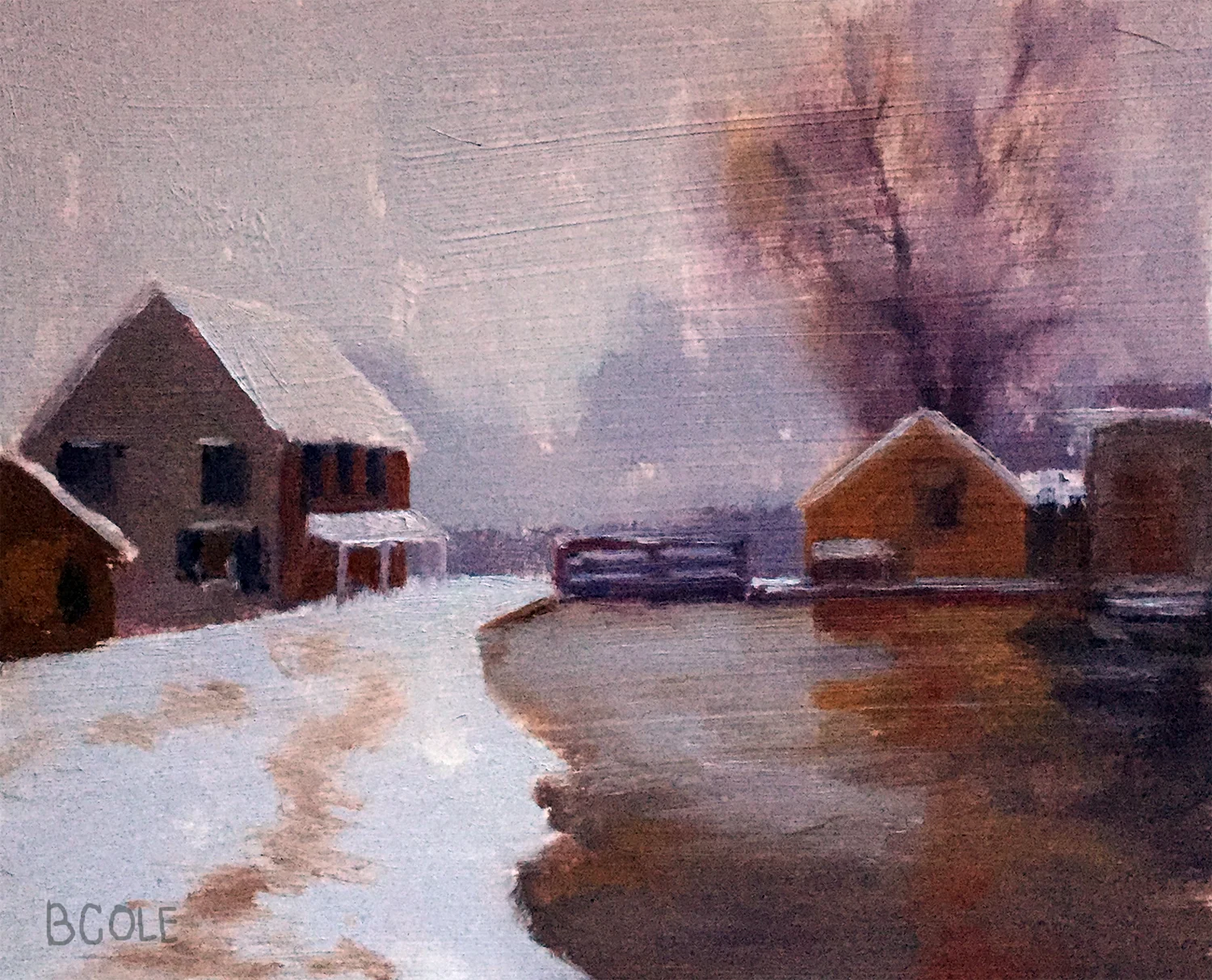
So many of the master paintings I love have beautiful gray tones in them. Some colors are hard to name, they look a little brownish, or reddish or purplish but they are difficult to describe. These are the gray tones and they can really make a subtle and beautiful painting.
Mixing Grays
by Beth Cole

The Lock In Winter, Beth Cole after Birge Harrison | Master Study
This is the third post in a series about learning from the Masters. Here are the first and second posts.
So many of the master paintings I love have beautiful gray tones in them. Some colors are hard to name, they look a little brownish, or reddish or purplish but they are difficult to describe. These are the gray tones and they can really make a subtle and beautiful painting.
You can mix grays by using all three primary colors or two complementary colors like red and green or blue and orange. I made a video to demonstrate one way to mix grays. The video is not perfect but I wanted to share some techniques that might help as you try to mix an unidentifiable color - usually a gray!
Enjoy and please share your thoughts or things that have worked for you, I would love to hear from you! Thanks for watching.

-- Beth Cole
Soli Deo Gloria

New Work at Burkholder Project
Have you visited the Burkholder Gallery in Lincoln? If you are an art lover, it is definitely worth a visit. There are three floors of art - landscape, abstract, still life, wildlife, sculpture, photography - something for everyone. The owner, Anne Burkholder, is a beautiful artist and has been painting Nebraska landscapes for many years, and she is celebrating her 30th year in business, something to celebrate!

Unseen © Beth Cole | OIl on Canvas | 12 x 24
Have you visited the Burkholder Gallery in Lincoln? If you are an art lover, it is definitely worth a visit. There are three floors of art - landscape, abstract, still life, wildlife, sculpture, photography - something for everyone. The owner, Anne Burkholder, is a beautiful artist and has been painting Nebraska landscapes for many years, and she is celebrating her 30th year in business, something to celebrate!
I have delivered a few pieces to the Burkholder and I am grateful to be represented there. In addition to "Unseen" (above) the following artwork can also be seen at the gallery.

Winter Creek © Beth Cole

Light and Shadows © Beth Cole

Illumination © Beth Cole

Aglow © Beth Cole
I will be having a show at the Burkholder coming up in June 2018. More information to follow. Thanks for following along.
Enjoy the day.
--Beth
Soli Deo Gloria

New Work at Crane Trust Gallery
Have you visited the Crane Trust Gallery near Grand Island, Nebraska? It is a beautiful space with a wide variety of nature related art. Crane season is coming up in March, it would be a great opportunity to visit if you have never been.
I delivered a few new pieces to the gallery there yesterday, my heart is full! Here are a few of them.
Have you visited the Crane Trust Gallery near Grand Island, Nebraska? It is a beautiful space with a wide variety of nature related art. Crane season is coming up in March, it would be a great opportunity to visit if you have never been.
I delivered a few new pieces to the gallery there yesterday, my heart is full! Here are a few of them.

Happy | Oil on Canvas Panel | 18 x 24 | © Beth Cole
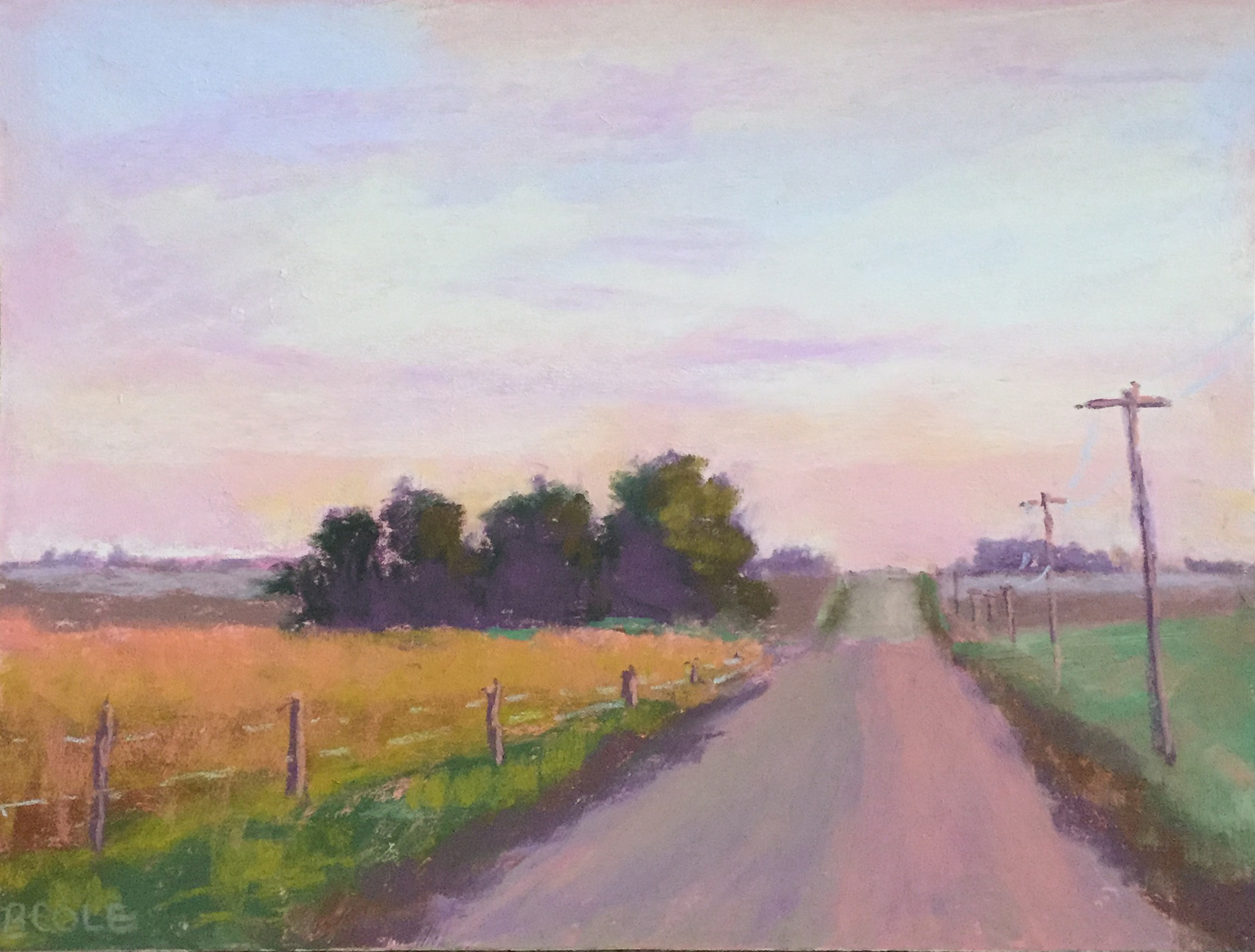
Daybreak | Pastel | 9 x 12 | © Beth Cole
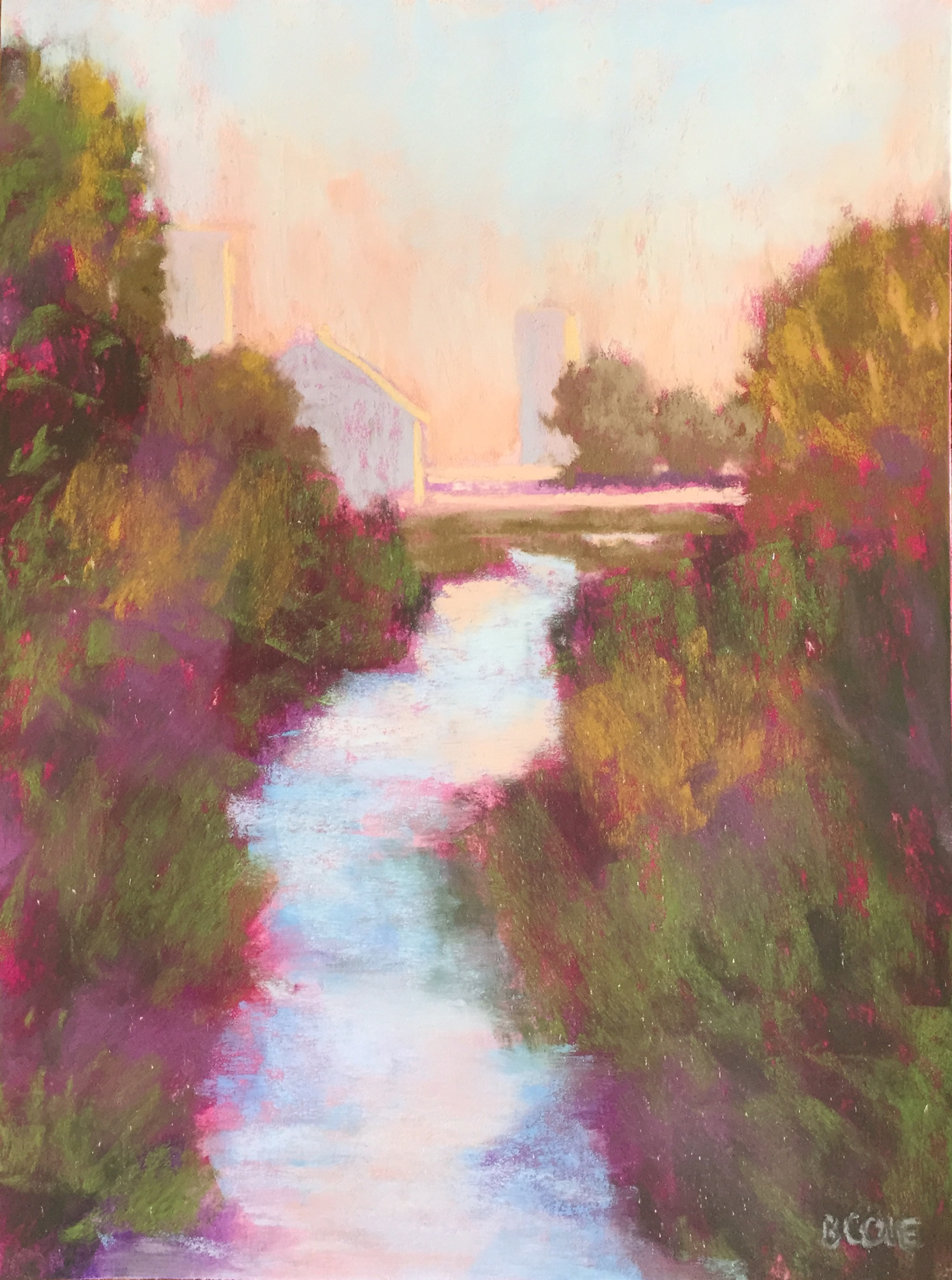
Shimmer | Pastel | 9 x 12 | © Beth Cole
These works will be available at the gallery through the end of April. There are many other wonderful artists showing work there including my friends Jean Jensen and her brother Dennis Miller. I also enjoyed work by many other artists including Rick Rasmussen and Paula Wallace.
I hope you have a chance to stop and enjoy the beauty. Thanks for reading.

You're Invited to the Noyes Gallery, Lincoln, NE
Gary and I have been invited to participate in a group show at the Noyes Gallery this Friday, February 2nd, 2018, from 6-9 in conjunction with Lincoln's First Friday Art Walk event. We are excited!

Solitude ©Beth Cole | Oil on Canvas | 36 x 36
Gary and I have been invited to participate in a group show at the Noyes Gallery this Friday, February 2nd, 2018, from 6-9 in conjunction with Lincoln's First Friday Art Walk event. We are excited!
There will be many beautiful works of art on display including jewelry, painting and photography. Gary will have quite a few photographs including his latest, and I will have a variety of oil paintings of various sizes. The show will be available for the month of February.
Gayle Kuhlman is the lead artist of the show, other artists are Karen Bowling, Rachel Montoya, Ambur Harvey, Drew Curtright, Hope McCulley and Maddie Warnemunde.
There are fifteen Galleries listed on the First Friday Art Walk map - you can take a look here - something for everyone. I also have a few pieces at the Burkholder Project if you happen to stop.
Hope to see you soon, thanks for your interest and have a good week!
--Beth

Learning From The Masters - Part II
Finding and Collecting Paintings to Study
I have been collecting master paintings that I love and want to study for a few years now. Here is how I started and then added to my collection.
Finding and Collecting Paintings to Study

Birge Harrison, The Lock in Winter
I have been collecting master paintings that I love and want to study for a few years now. Here is how I started and then added to my collection.
First I just did a general Google search on master artists and went to images. There I saw a great variety of work, some I liked, some not so much.
When I found pieces I liked, I began to look for similarities among then, i.e. is it the same artist, is it a certain style, i.e. realism, impressionism, abstract, etc.
Once I was able to generally define the style, I could search for more painters within that realm.
I found I was drawn to tonalism and the tonalist painters, so I have begun to study those works and collect mostly works that are part of that style of painting….for example, George Inness, Birge Harrison, Sanford Gifford, and many others.
Many of the famous artists will have a dedicated .org page for their work, and from there you can clip and pin and save to your heart’s delight. This is an example of George Inness's dedicated page.
One thing to remember when you are pinning and saving is to always note the name of the piece and the artist’s name. You will need it if you share the work with anyone and for the purposes of signing.
When you create your study, you will sign it as “ your name after master artist name”, i.e. “Beth Cole after George Inness.” This tells the viewer that it is a study and you aren’t taking credit for the painting. Very important.
In terms of my process, I use Evernote and its chrome browser extension, so when I want to save a painting to my “learning” folder in Evernote, I just click the icon and I can clip it to Evernote or take a screenshot. Really great tool.

Example of Evernote
If you don’t use Evernote, you can always pin the piece to a Pinterest board and take it from there. Just be sure you note the title of the piece and the artist name so you don’t get confused later on and wonder, now who painted this? Believe me, it happens.

Tonalist Pinterest Board
Next up, what I have learned about mixing colors with a master’s color palette.
Thanks for following along, and please chime in if you have comments or other ideas that have worked for you, I would love to hear from you!
--Beth Cole
Soli Deo Gloria

Learning From The Masters
This month I’m starting a series on a subject I really love and that is learning from the masters. Since I don’t have formal art training, I have spent a lot of time viewing and thinking about the beautiful work that has been created before us.

J.M. Greig | Landscape in France
This month I’m starting a series on a subject I really love and that is learning from the masters. Since I don’t have formal art training, I have spent a lot of time viewing and thinking about the beautiful work that has been created before us.
I am always struck by how the masters were able to create such beauty with limited supplies and conveniences that we as artists enjoy today. I think they had a small advantage in not being distracted by so much imagery as we are with social media and the interwebs, but they would have had to deal with just as many diversions such as procrastination, fear, lack of confidence and the like -- such as is common to man. But they pressed on. And we should, too.
In this series I will write about....
- finding the master paintings you admire and saving them so you can refer back to them and paint;
- how to practice mixing colors using the paint palette of the masters;
- studying composition and learning from pieces that really sing;
- examining lost and found edges and focal points.
I would love to hear your about experience with master studies and what has worked for you. More to come in the next post, thanks for coming along!
--Beth Cole
Soli Deo Gloria

Possibility, Light, Hope and Vision
The end of the year is here. Many might wax and wane about water under the bridge, regrets, missed opportunities, changes to be made, etc. I drill down on those topics, too (a little too much) but there’s always another side right? The side of possibility, hope, light, and vision.

Illumination ©Beth Cole | Oil on Canvas | 9 x 12
The end of the year is here. Many might wax and wane about water under the bridge, regrets, missed opportunities, changes to be made, etc. I drill down on those topics, too (a little too much) but there’s always another side right? The side of possibility, hope, light, and vision.
I named the above painting "Illumination" because it reminds me of possibility, hope, light and vision. When I think about these things it always turns my face upward to see the gentle care and power of my Creator, the one who never lets go and has no dark side at all. I hope this artwork is a reminder of His perfect light and leading.
So how about we celebrate possibility, hope, light and vision?
- What are some things that have gone right and well and good in your year?
- Where do you see possibility in the coming year?
- What are you hoping for?
- When you think of your "vision," what comes to mind?
It is my hope that as you consider these thoughts, you would see how He has worked in your life, the gentle care and compassion that has flooded over you, even if your seas were stormy. Let the gratefulness pour out. It changes us as artists and people when we focus on the good.
Thank you for following along with my art journey - for your support, your likes, comments and shares. I am overwhelmed by what God has done through my paintbrush and I'm looking forward to what He will do in the days to come.
I'm very grateful for you, dear reader.
Happiest new year from my heart to yours.
-- Beth
Soli Deo Gloria

End of The Year Questions For You
Taking Stock and Looking Ahead
We are drawing close to the end of the year. Sometimes it is a good time to step back and take a look at where you have traveled during the year and where you are headed as we turn the corner.
Here are some questions to help you process. Grab a cuppa. And your favorite pencil. Enjoy. I'm with you all the way.

©Beth Cole
Taking Stock and Looking Ahead
We are drawing close to the end of the year. Sometimes it is a good time to step back and take a look at where you have traveled during the year and where you are headed as we turn the corner.
Here are some questions to help you process. Grab a cuppa. And your favorite pencil. Enjoy. I'm with you all the way.
- Compare your work from a year ago to now. What do you see?
- What visual influences do you allow and which do you want to limit?
- What fuels your creativity?
- Do you have a consistent flow of inspiration for new work? If not, how could you tap into this?
- When are you most likely to procrastinate? Why?
- What helps you get started every day?
- Are you satisfied with your work? If not, why?
- What is your biggest fear?
- What do you really want?
- Why do you create?
God speed my friend.
--Beth Cole
Soli Deo Gloria

Social Media Observations, Part II
Letting Your Art Speak for Itself
This is the second post about social media observations, you can read the first one here.
As I said in my first post, I am no social media expert, but here’s another thing I have noticed about posting art and I will get straight to the point.

Charcoal Sketch | © Beth Cole
Letting Your Art Speak for Itself
This is the second post about social media observations, you can read the first one here.
As I said in my first post, I am no social media expert, but here’s another thing I have noticed about posting art and I will get straight to the point.
If the piece resonates with people, it WILL get shared. End of story.
I think social media is a great way to test different things you are working on. Some of my pieces get lots of comments and shares and others, not so much. It could be the algorithm that everyone likes to blame, but I think that’s a cop out. I think it’s too easy to blame something outside of ourselves for not getting the response we want. I think if the piece is solid, the values are working, the message comes through, it will get shared.
What a thought, eh? You can quit worrying about it now and just keep doing your best work.
That is all. Love you for reading.
--Beth
Soli Deo Gloria